What do you expect to find after the Resting Day passed?
When the Sabbath was past, Mary Magdalene and Mary the mother of James and Salome bought spices, so that they might go and anoint him. And very early on the first day of the week, when the sun had risen, they went to the tomb. And they were saying to one another, “Who will roll away the stone for us from the entrance of the tomb?”
And looking up, they saw that the stone had been rolled back — it was very large. And entering the tomb, they saw a young man sitting on the right side, dressed in a white robe, and they were alarmed. And he said to them, “Do not be alarmed. You seek Jesus of Nazareth, who was crucified. He has risen; he is not here.”
Mark 16:1-6
Dum Transisset Sabbatum by John Taverner (1490-1545), sung by the Tallis Scholars.
Latin:
Dum transisset Sabbatum,
Maria Magdalene et Maria Jacobi et Salome
emerunt aromata ut venientes ungerent Jesum.
Alleluia.
Et valde mane una sabbatorum veniunt ad monumentum orto iam sole ut venientes ungerent Jesum.
Alleluia.
Gloria Patri et Filio et Spiritui Sancto.
Alleluia.
English:
And when the Sabbath was past,
Mary Magdalene and Mary the mother of James and Salome
had brought sweet spices, that they might come and anoint him.
Alleluia.
And very early in the morning, the first day of the week,
they came unto the sepulchre at the rising of the sun that they might come and anoint him.
Alleluia.
Glory be to the Father, and to the Son, and to the Holy Spirit.
Alleluia.
Directed by award-winning filmmaker Thomas Balmès, from an original idea by producer Alain Chabat, Babies simultaneously follows four babies around the world – from birth to first steps. The children are, respectively, in order of on-screen introduction: Ponijao, who lives with her family near Opuwo, Namibia; Bayarjargal, who resides with his family in Mongolia, near Bayanchandmani; Mari, who lives with her family in Tokyo, Japan; and Hattie, who resides with her family in the United States, in San Francisco.
Re-defining the nonfiction art form, Babies joyfully captures on film the earliest stages of the journey of humanity that are at once unique and universal to us all.
A Focus Features presentation of a Chez Wam/StudioCanal co-production with the participation of Canal +. Babies. Executive Producers, TBC Productions, Chez Wam. Original Idea, Alain Chabat. Adapted by Thomas Balmès. Edited by Craig McKay, A.C.E., Reynald Bertrand. Produced by Alain Chabat, Amandine Billot, Christine Rouxel. Music by Bruno Coulais. Directed by Thomas Balmès. A Focus Features Release.
Când caricatura este creditată ca original, orice derivă e necesară!
În timpul unei ore despre comunicarea în masă, o elevă m-a întrebat, cu un entuziast demn de o cauză mai bună, dacă am văzut conspiraţia mitului lui Isus din Zeitgeist. Ironic, nici nu speram la o dovadă mai concludentă de manipulare mediatică! I-am răspuns că, dacă tot trebuie să aleg nişte naraţiuni fantastice pentru copii, prefer să mă uit la nişte desene animate mai bune. Evident, răspunsul meu “neortodox” a contrariat-o în aşteptările ei conformiste faţă de un profesor de filosofie. O privire iconoclastă asupra iconoclaştilor are privilegiul de a descoperi, cam de fiecare dată, un foarte previzibil şi comod conformism al “nonconformiştilor”.
În epoca când adevărul e relativ, vă rog să număraţi cărţile şi filmele documentare care vă deconspiră The Jesus Mysteries: Was the “Original Jesus” a Pagan God? (Timothy Freke, Peter Gandy), The Real Jesus Myth (G. A. Wells – chiar dacă ulterior autorul a renunţat la ideea că Isus nu a existat, cartea sa stă astăzi mărturie puternicei dorinţe de a crede că Isus nu a existat, îmbrăţişată de mulţi cititori sezonieri ai subiectului), The God Who Wasn’t There (Brian Flemming), Zeitgeist (Peter Joseph), The Root of All Evil? (Richard Dawkins), etc. Pentru gustul meu mai sceptic, văd că sunt cam mulţi oameni binevoitori care se oferă să vă deschidă ochii şi să vedeţi adevărul!Într-un Zeitgeist al negării creaţiei, suntem îngrămădiţi de o sumedenie de creaţii care mizează pe puterea creatoare a omului. S-ar părea că nişte reminescenţe ale istoriei încă mai sunt active în noi, iar ele nu sunt moştenite de la “bunicuţa noastră, maimuţica”!
Oare nu e ridicol e să “creezi” Religulous, Zeitgeist, etc., pretinzând exigenţă şi inteligenţă tocmai când oferi dovezi contradictorii? Cât de conştienţi suntem de primitivul analfabetism promovat de media? Ce ar fi dacă am aplica prozelitismului media al noului ateism deconstrucţia, sociologia receptării şi genealogia interpretării? Oare nu am fi copleşiţi de abuzul de iluzii dragi ale unui public atât de uşor de dus de nas? Tocmai pentru că astăzi ştim atâtea despre geneza miturilor, nimic nu e mai simplu să creezi unul. Reţeta e binecunoscută şi folosită cu succes. Se iau câteva milioane de conştiinţe buimace, cu nevoi şi frustrări bine captate de meseriaşi în retorică şi politicieni versaţi. Se monopolizează canalele de comunicare şi se difuzează publicului flămând de senzaţional ceea ce îi este convenabil şi voila, comanda e servită! A respinge noul status quo corect politic e la limita blasfemiei iar linşajul mediatic ce urmează pentru cel care e diferit fac flăcările Inchiziţiei să pară joacă de copii. Toleranţa e valabilă doar în cadrul strict al dogmatismului oficial! Dar despre subiectul “de ce cred oamenii în bazaconii” voi vorbi cu o proximă ocazie.
Am avut destule ocazii de a întâlni “farmecul” îndobitocirii mediatice a tinerilor, analfabeţi în cunoştinţe elementare de istoria religiilor. Poate că e adevărat că toţi suntem experţi când vorbim despre fotbal, politică şi religie. A vorbi aceste lucruri într-un birt e o chestiune uşor de recunoscut şi, într-un anumită măsură, chiar de înţeles. Dar a flecări şi a înghiţi inepţii ilogice, poleite cu aer pseudo-ştiinţific, pentru a face prozeliţi întru ignoranţă, într-o eră a informaţiilor, e mult mai condamnabil decât crearea supertiţiilor în Evul Mediu!
S-ar părea că regele e gol, chiar dacă industria efectelor vizuale şi de retorică se zbate să îl îmbrace!
Înţeleg nevoile cu care oamenii vin în faţa unor texte, filme documentare, ştiu că există o modă culturală şi nişte teribile presiuni de conformism social, dar cer celor care vor să fie cu adevărat emancipaţi şi “free-thinker” să nu mai ceară altora să gândească mai mult atunci când ei înghit gogoşi umflate de vedete media, să nu mai condamne ignoranţa şi ipocrizia altora când ei înşişi dau dovadă de un mimetism al ignoranţei terifiant de real pentru timpurile noastre. Cel mai tiranic dogmatism este cel apărat tocmai de aşa zişii demistificatori! S-au mai văzut şi hoţi vicleni care să ascundă furtul în sediul poliţiei, unde nici nu te-ai gândi să cauţi. Asta însă nu-i face nevinovaţi şi invulnerabili în faţa unei investigaţii serioase! (Rămâne ca o foarte interesantă şi necesară temă de investigare ştiinţifică dogmatismul şi condiţionările psihologice/lingvistice/culturale de pe forumurile ateilor, mantrele şi sloganurile lor nefiind mai puţin dogmatice decât cele de prin alte locuri. Într-adevăr, ştie domnul Rorty ce spune atunci când afirmă că un vocabular nou creează o lume nouă!)
Înainte de a spune ceva, omul cu adevărat înţelept mai întâi gândeşte, cercetează şi verifică ceea ce vrea să afirme. Aşadar, cine îşi proclamă superioritatea, să aibă curajul testării ei. Mă tem însă că, judecând după lista de lecturi dogmatice ale multor atei, ignoranţi în ceea ce priveşte şi “cealaltă parte”, vor fi puţini doritori să intre în competiţia pentru adevăr.
Pentru curajoşi însă recomand Shattering the Christ Myth (James Patrick Holding, Xulon Press, 2008), redând aici doar pasajul de final al capitolului 22, The Zeitgeist Heist, din partea a patra, The Christ Myth Goes to Hollywood:
There will be oppression in this world, even times when leaders grow power-hungry and seek to veil the eyes of the common masses, but Zeitgeist has clearly taken an inferior approach to dealing with the real problem, seeking to induce paranoid suspicions of conspiracies where none exist, seeking to exile Jesus to the realm of mere myth. His presence, after all, disturbs our arrogant pretensions and suitheistic fantasies. Truth will not so easily succumb, fortunately, to our petulant tantrums; neither will God of all truth, in whom we may surely trust to redeem his creation from the boundage of tyranny and decay. Still, until the present age has passed away and the fullness of the age to come has arrived, there will be chains, there will be shackles, and there will be global-scale injustice. If there is any rallying cry, than, by which we must all raise our banners, it is this: e aletheia eleutherosei humas! (James Patrick Holding, Shattering the Christ Myth, 2008, p. 334)
Pentru cei care nu au timp/obişnuinţă să citească cărţi, dar care vor să fie sceptici şi open minded deopotrivă, recomand nu glamuroasa ficţiune sincretică Zeitgeist, ci o dovadă de dubunking, în buna tradiţie sceptică:
Şi încă puţin despre atât de convenabilul “mit al lui Isus”:
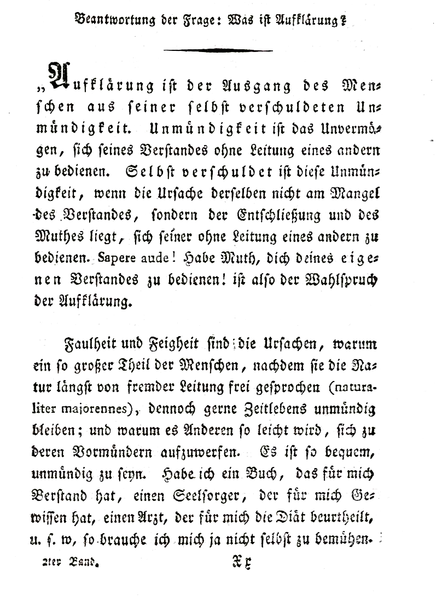
1. 30 septembrie 1784 – eseul Beantwortung der Frage: Was ist Aufklärung?, unde I. Kant scrie declaraţia manifest a glorioasei autonomii a omului raţional, începe astfel:
Enlightenment is man’s emergence from his self-incurred immaturity. Immaturity is the inability to use one’s own understanding without the guidance of another. This immaturity is self-incurred if it cause is not lack of understanding, but lack of resolution and courage to use it without the guidance of another. The motto of the Enlightenment is therefore: Sapere aude! Have courage to use your own understanding!
(Immanuel Kant, An Answer to the Question: What is Enlightenment in What is Enlightenment? Eighteenth-Century Answers and Twentieth-Century Questions, ed. James Schimdt, University of California Press, Berkeley, 1996, p. 58-59)
2. 1955 – mărturia unui om care a simţit din plin ieşirea din starea de minorat a omului luminat, creaţie a unui popor recunoscut pentru soliditatea practicării demersului raţional:
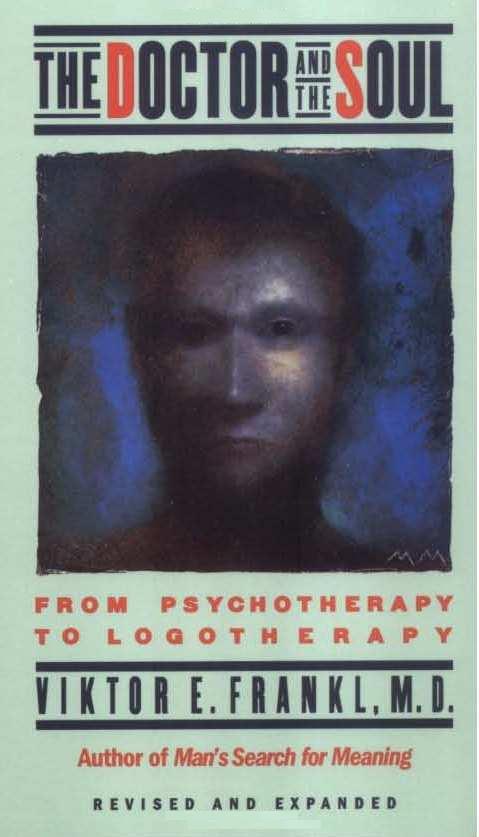
If we derive the ego from the id and the super/ego from the id plus ego, what we achieve is not a correct picture of man, but a caricature of man. The results sound like a tall story by Baron Munchhausen, with the ego pulling itself out of the bog of the id by its own super-ego bootstraps.
If we present a man with a concept of man which is not true, we may well corrupt him. When we present man as an automaton of reflexes, as a mind-machine, as a bundle of instinct, as a pawn of drives and reactions, as a mere product of instinct, heredity, and environment, we feed the nihilism to which modern man is, in any case, prone.
I became acquainted with the last stage of that corruption in my second concentration camp, Auschwitz. The gas chambers of Auschwitz were the ultimate consequence of the theory that man is nothing but the product of heredity and environment – or, as the Nazi liked to say, of “Blood and Soil”. I am absolutely convinced that the gas chambers of Auschwitz, Treblinka, and Maidenk were ultimately prepared not in some Ministry or other in Berlin, but rather at the desks and in the lecture halls of nihilistic scientists and philosophers.
(Viktor Emil Frankl, The doctor and the soul: From Psychotherapy to Logotherapy, Random House New York, second Vintage Books Edition, 1986, p. xxvii, emphasis mine)
Astăzi nu ne rămâne decât să facem savante note de subsol la cele două momente enumerate mai sus. Tindem însă să negăm orice legătură cauzală dintre ele, ceea ce dovedeşte că, oricât ne-am mândri cu apetenţa orgoliului nostru, asezonat superdoct cu formulări filosofice, nu prea am ieşit din starea de minorat. Dovedim astfel o uimitoare credinţă în utopii falimentare, refuzând crudele evidenţe empirice de sub ochii noştri.