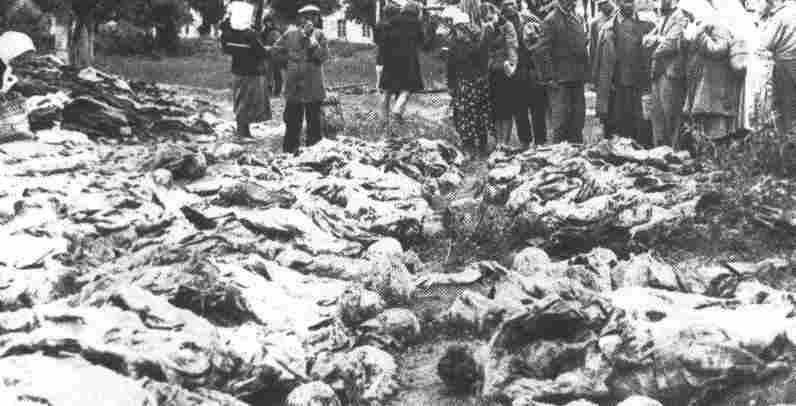
Reeducarea prin tortură în închisorile comuniste din România este subiectul unei triple lansări în ianuarie: un documentar, o carte și un site dedicat.
Unul dintre cele mai tragice episoade ale genocidului comunist din România – “reeducarea” prin tortură, denumit şi “Fenomenul Piteşti” – este subiectul unuia dintre cele mai ample proiecte de cercetare în istorie contemporană, ce se va materializa, la jumatatea lunii ianuarie, printr-o triplă lansare: un film documentar realizat pe baza mărturiilor a opt dintre victime, o carte – istoria completă şi documentată a “experimentului Piteşti”, şi un site care va pune la dispoziţia celor interesaţi, gratuit, cea mai mare bază de date legată de acest subiect, inclusiv, în premiera, lista completă cu numele victimelor şi a torţionarilor de atunci (Diana Evantia Barca, EVZ).
(Mai multe informații pot fi găsite pe site-ul www.fenomenulpitesti.ro și în articolul dedicat fenomenului din EVZ)
A Romanian philosopher, Lucian Blaga, once said that time is the cynical toy of God which is used to measure our breakdowns and pains. But in the “liberating” absence of God, time is the most coercive force of postmodern human consciousness.
Contemporary individuals let themselves be caressed by any artifacts or sham that may cover their weaknesses in the face of time. We wear watches on our wrists, but we forget to measure our life. Candidly paralyzed by a myriad of seductive promises, we become tourist in our life. We are trained with predilection: desire anything and everything to live a youth which is barely recognizable, it is consumed more and more frenetically! When we are demolishing uncomfortable traditional values with pretentious sophistry, we get so cool to agree with Janice Joplin’s thesis: live fast, die young! The bio-chemical engineering industry of rejuvenation and of imposed joy of free time (leisure industry) fits perfectly with the insidious industry of amnesia, which plants in the human subject’s a prosthesis of consciousness, “free” from any guilt and fear. As a clients of this industry, we are drunk with the thought of ephemeral rules, forgetting that so we subscribed to be a permanent slaves!
Time talks. It speaks more plainly than words. The message it conveys comes through loud and clear. Because it is manipulated less consciously, it is subject to less distortion than the spoken language. It can shout the truth where words lie (Edward T. Hall, The Silent Language, Anchor, 1973, p. 1).
Regardless of our will or stamina (which we can display ostentatiously), we have to go through an internal migration between the ages of what we call consciousness. When we look in the mirror of time, we note with regret the fingerprinting of time upon the body functions. The implacable erosion of time forces human beings to make a choice. A decadent nihilism seems to be the most “courageous” choice, but in fact, it is the easiest choice and it most often hides a cowardly narcissism. Another choice is to “screw” the mechanisms in order to manipulate the marking of time for man’s selfish interests. I prefer a third option. It is the choice to live moments fully for a purpose that transcends the imanence, aware that the child’s joy trickle wise old sigh of joy to a different, cleaner, and wise joy.
Be happy, young man, while you are young, and let your heart give you joy in the days of your youth. Follow the ways of your heart and whatever your eyes see, but know that for all these things God will bring you to judgment. So then, banish anxiety from your heart and cast off the troubles of your body, for youth and vigor are meaningless. (Ecclesiastes 11:9-10, NIV)
I think we are “left” to go through joys and pains, diseases and cures, miracles and death, loss and retrieval, not to nestle in our utopias, inert in their prefabricated perfections, but because time can heals and makes us wiser! I remember a short conversation from The Lord of the Rings which concludes my point of view:
– I wish it need not have happened in my time (said Frodo).
– So do I, said Gandalf, and so do all who live to see such times. But that is not for them to decide. All we have to decide is what to do with the time that is given us(The Lord of the Rings, I, 60 – italics mine).
Since any gratuity is paid, I think the time that is “given to us” is an extraordinary resource to lose what is not authentic for us and to find God! Ultimately, we are free to decide what kind of conditioning we endure: a cultural contingency, immanent, with interesting and stimulating elements, but powerless in the face of erosion time, or a conditioning of God, which”gave us” time to live with a sense!
Sunt momente în viață când ne simțim obosiți de prea multa fugă chinuitoare sub biciul isprăvniceilor care mereu ne dau munci de făcut. Nu e greu să le contești autoritatea, dar nu e ușor să te eliberezi de ea. Într-o astfel de situație a fost odinioară și Israel. Eliberat însă de sub mâna tare a lui Faraon, iată poporul Domnului în fața țării promise, la Iordan. În fața neprăvăzutului care le sta înainte, poporul primește următoarea poruncă:
Când veţi vedea chivotul legământului Domnului, Dumnezeului vostru, dus de preoţi, care sunt din neamul Leviţilor, să plecaţi din locul în care sunteţi, şi să porniţi după el. Dar între voi şi el să fie o depărtare de aproape două mii de coţi: să nu vă apropiaţi de el. El vă va arăta drumul pe care trebuie să-l urmaţi, căci n-aţi mai trecut pe drumul acesta. (Iosua 3:3-4, sublinierea mea)
Cu adevărat, drumul spre Canaan era nou pentru poporul eliberat din robie, dar era deja bătătorit de strămoșii Avraam (Genesa 13:10-11) și Iacov (Genesa 32:22-28). Ceea ce este încurajator este faptul că chivotul Domnului, adică simbolul prezenței lui Yahwe în mijlocul poporului, va fi cel care le va deschide calea către intrarea în moștenirea promisă. În desfășurarea evenimentelor surprinde următorul amănunt:
Să dai următoarea poruncă preoţilor care duc chivotul legământului: ,Când veţi ajunge la marginea apelor Iordanului, să vă opriţi în Iordan.” […] Iată, chivotul legământului Domnului întregului pământ va trece înaintea voastră în Iordan. (Iosua 3:8,11, sublinierea mea)
Slava Domnului, Cel de necuprins, era garanția intrării lui Israel în promisiunea făcută demult, pe un drum pe care Israel nu a mai fost. Dar splendoarea de aur masiv, cu cei doi heruvimi peste care cobora slava Domnului, prezența cutremurătoare a lui Dumnezeu (Exod 25:22; Num 7:89; 10:35–36; 1 Sam 4:4), era acum în mâlul din Iordan. Această pogorâre a măreției Domnului în realitatea albiei Iordanului vorbea despre o realitate care avea să prindă conturul unei vieți umane, în care veșnicia a fost dăruită în Cuvântul care s-a făcut trup, adică și-a așezat cortul, slava (Ioan 1:14).
Plinătatea dumnezeirii, dincolo de ceea ce mintea noastră poate concepe, s-a înfășurat în țărâna unui trup de om, ca să ne spună cât se poate de clar că nu suntem singuri. Intrarea în promisiunile unei vieți noi, în aerul proaspăt al unui Dumnezu sfânt, nu condiționat de așteptările noastre idolatre, nu poate fi posibilă dacă nu mai întâi se coboară Dumezeu în realitatea viețuirii noastre și să ne arate drumul pe care trebuie să îl urmăm, pe care nu am mai mers înainte (chiar dacă strămoșul nostru Adam l-a bătătorit până la un moment dat) …
În recenta confruntare cu Tony Blair, Christopher Hitchens declara:
“Religion … it makes us objects in a cruel experiment whereby we are created sick and commanded to be well”
Auditoriul excitat de nonconformismul sofistului se pregătește acum de sărbătoarea Crăciunului, adică se pregătește să rateze grațios și complet minimul efort de a verifica cuvintele “free-thinker”-ului. Nu e prima dată când instinctul de turmă primeaza rațiunii. Totodată, nu e prima dată când se dovedește că poți fi foarte inteligent și ignorant în aceeași măsură.
Sărbătoarea Nașterii Mântuitorului e atât de ușor mitologizată și sufocată prin punerea ei în icoane comerciale încât nu îi mai cunoaștem menirea. Apoi, din această ignoranță se nasc monștrii pe care îi vedem pe ecrane, fardați cu cele mai bune intenții.
Dacă am avut vreodată senzația că suntem
neînțeleși,
slabi,
bolnavi,
înfrânți,
părăsiți,
singuri,
acum e timpul cel mai bun de a ne uita cum Dumnezeu se așează în leagănul umanității, însumând și însușind ceea ce credeam că e al nostru și numai al nostru: pasiune, durere, viață în oase și carne…
Urmează în articolele viitoare să trecem prin câteva pasaje biblice pentru a recupera semnificația Nașterii Domnului, intoxicată în sfera publică de poluarea comercială sau de cea a prozelitismului ateu. Dincolo de vocile noastre egoiste, care îi predică lui Dumnezeu ce “experimente ciudate” face El, scâncetul Pruncului născut în ieslea din Betleem ne invită să stăm la căpătâiul Celui Întrupat, dovada clară că Dumnezeu este cu noi (Immanuel).
This Christmas present: human ignorance. After the EU decision, I believe that we have not learned from the tragedies of history. It seems that communism is still alive in West, and it doesn’t matter the crimes it did in East. It is a shame!
EU rejects eastern states’ call to outlaw denial of crimes by communist regimes
Eastern European states wanted Soviet crimes ‘treated according to the same standards’ as those of Nazi regimes
Soviet soldiers with some of the prisoners they freed at Auschwitz in January 1945. ‘For all the terrible crimes of the USSR, you can’t compare the people who built Auschwitz with the people who liberated it,’ said Nazi-hunter Efraim Zuroff. Photograph: Reuters
The European commission has rejected calls from eastern Europe to introduce a so-called double genocide law that would criminalise the denial of crimes perpetrated by communist regimes, in the same way many EU countries ban the denial of the Holocaust.
Last week six countries wrote to Viviane Reding, the European justice commissioner, calling for the “public condoning, denial and gross trivialisation of totalitarian crimes” to be punished.
Foreign ministers from Lithuania, Latvia, Bulgaria, Hungary, Romania and the Czech Republic said communist crimes “should be treated according to the same standards” as those of Nazi regimes, notably in those countries with Holocaust denial laws.
But the EU executive will say in a report due tomorrow that opinion is too divided on the matter and that there is no legal basis allowing Brussels to act.
“There is no consensus on it. The different member states have wildly differing approaches,” EU justice spokesman Matthew Newman told the Guardian. He said the commission takes the issue “very seriously”, but: “At this stage, the conditions to make a legislative proposal have not been met. The commission will continue to keep this matter under review.”
The east European countries point to the EU’s ability to make laws relating to “particularly serious” cross-border crimes and a separate EU decision permitting the crafting of rules targeting racism and xenophobia.
But the commission says neither legal instrument mentions totalitarianism and rejects the idea of double genocide. “The bottom line is, obviously, what they did was horrendous, but communist regimes did not target ethnic minorities,” said Newman.
Well, if
“For all the terrible crimes of the USSR, you can’t compare the people who built Auschwitz with the people who liberated it. Nazi Germany would probably not have been defeated if it weren’t for Russia.”




 Soviet soldiers with some of the prisoners they freed at Auschwitz in January 1945. ‘For all the terrible crimes of the USSR, you can’t compare the people who built Auschwitz with the people who liberated it,’ said Nazi-hunter Efraim Zuroff. Photograph: Reuters