

• În economia relațiilor, noi, oamenii, avem extraordinara capacitate de a converti orice situație în valoare marfă, contabilizată ca profit net. Oricât ne-ar durea să recunoaștem, structura noastră funciară nu cunoaște fidelitate necondiționată, dragoste neprefăcută, dăruire necalculată.

    În noaptea în care a fost vândut, Isus a luat o pâine și ne-a întins-o ca dar nouă, tuturor celor ce vom fi crezut/dorit sau nu în posibilitatea ieșirii din “matrixul” propriei vrăji. Celui care ne-a întins oferta jertfirii propriei vieți i-am răspuns cu o nedismulată preocupare pentru propriile interese, asemenea împăratului care a trimis invitația de nuntă nuntașilor, iar aceștia și-au văzut mai departe de… negustoriile lor. La insistența împăratului de a-i invita la nuntă, nuntașii răspund invitației cu un refuz deloc diplomatic, ucigându-i mesagerii (Matei 21:1-8). Orice voce care rostește harul este astupată imediat de tribalele zvâcniri ale animalității noastre, împopoțonată cu propriile merite și interese suverane! Atunci, când toți l-au părăsit și vândut pentru bani sau securitatea vieții lor, Isus a dat examenul fidelității necondiționate, a dragostei neprefăcute, a dăruirii necalculate… Noi însă nu am făcut altceva decât să continuăm prostul obicei de a-L vinde pe Dumnezeu pentru orizontul așa zisei autonomii și prosperități…

    Cred că Paștele este în primul rând semnul neputinței noastre umane. Dar natura noastră comercială își pune amprenta ca de fiecare dată și astfel ajungem să transformăm convenabil Paștele în prilej de banchet dionisiac al propriilor dorințe. Camuflajul falsei noastre vitalități și prosperități acoperă strigătul tăcut al lui Hristos, lăsat singur să se ducă la crucificare. Am ajuns astfel să sărbătorim un Paște anonim, unde celebritatea bucuriilor fade nu lasă loc suferinței unui Dumnezeu în agonie.

    Citind lecția istoriei, mă întreb cum este posibil ca valul de adeziuni pasionale să se convertească peste noapte în trădări rușinoase? Oare nu cumva Paștele ne oferă posibilitatea să inițiem un dialog cu sine dar și cu Dumnezeu, peste puntea celor două mii de ani sau a propriei temporalități, în care ne încarcerăm atât de comod? Oare nu cumva re-povestirea istoriei sacre, anesteziată de vectorii vizuali ai entertainment-ului de astăzi (nu-i așa, totul e vandabil și dacă Vin Paştele, iar vor curge filme cu Isus… sau răstignirea la popcorn), este de fapt ședința de terapie de la care lipsim cu lașitate în fiecare an?
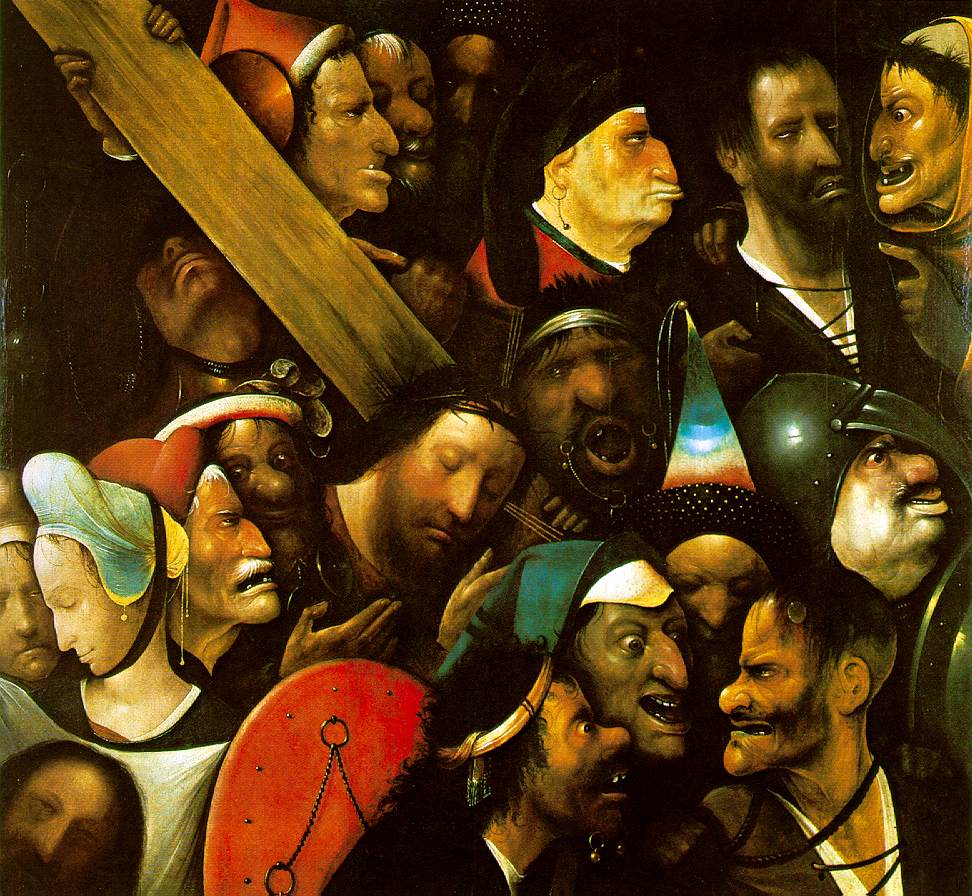
    Considerând aceste inconfortabile observații și pornind de la câteva texte din Evanghelia după Ioan, aș propune o scurtă privire asupra a ceea ce se dovedește a fi naturalul instinct de turmă, inadecvarea noastră care ne chinuie teribil, dar pe care o anesteziem cu tot felul de surogate filosofice. Exact contrariul multor dogmatici „open minded”, ceea ce contribuie din plin la credință este tocmai curajul de a risca împotriva tuturor împotrivirilor și de a ieși din dementa spirală a tăcerii, iar ceea ce este definitoriu pentru necredință este tocmai conformismul turmei, presiunea socială, frica de oameni și de a nu fi exclus, stigmatizat.
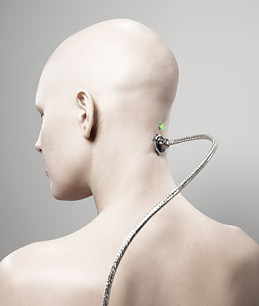
  • În ultima vreme mă interesează în mod deosebit ceea ce pare a fi pentru elita intelectuală religia viitorului: trans-umanismul. Un segment din acest câmp de studiu îl reprezintă “inteligența digitală” și modul în care aceasta ni se oferă ca o proteză a sufletului. Resorturile utopice care împing pe mulți oameni de știință și dezvoltatori ai tehnologiei să devină preoții și filosofii de astăzi sunt cât se poate vizibile chiar în viața noastră de zi cu zi. Atunci când folosim gadgeturi, rețele de socializare, etc., fiecare dintre noi devenim de fapt niște eșantioane experimentale care, sub aparența desfătării noastre în proletarismul digital, oferim datele necesare prin care elita tehnologică ne prelucrează dorințele noastre leneșe și visele pe care le vedem cu ochii larg deschiși.

    Totalitarismul pe care îl manifestă fascinația tehnologicului asupra imaginației, gândirii și simțirii umane devine vizibil chiar și pentru cei mai optimiști dintre noi. Ne supunem voioși despotismului inovației, a noutății ce se autosemnifică  și se rostogolește asupra noastră cu forța pe care au avut-o până acum așteptările mesianice/religioase. Suntem din ce în ce mai nivelați de ontologia transparenței și a suprafeței, reprezentată atât de bine de regnul Internetului. Aici îngrămădim toate universurile posibile, confidențele, speranțele, ura, așteptările umane “distilate”, compilate într-o logică a noii estetici, cea a imaginii și sunetelor proiectate, difuzate și epuizate prin repetiție, manipulare și transmitere în jungla digitală. Nu cred că greșesc dacă afirm faptul că designul digital este în primă instanță o autoproiectare a unui design al ființei umane. Ființă umană flămândă de semnificație, înconjurată de artefacte și gadgete, “conectată”, dar care de foarte multe ori se simte  ciudat de singură, neînțeleasă și nefericită…

    Citesc în aceste zile You are not a gadget. A manifesto de Jaron Lanier cu satisfacția descoperirii avertismentelor realiste pe care le face tocmai un pionier în dezvoltarea realității virtuale, așa cum N. Wiener, creatorul ciberneticii, avertiza la rândul său, cu peste 50 de ani în urmă:

    the thought of every age is reflected in its technique . . . If the seventeenth and early eighteenth centuries are the age of clocks, and the later eighteenth and nineteenth centuries constitute the age of steam engines, the present time is the age of communication and control. (Norbert Wiener, Cybernetics or control and communication in the animal and the machine, MIT, 1965, p. 38, 39. A se citi și Human use of human beings, 1950)

    Până voi reveni cu detalii, iată o sinteză a cărții, făcută de însuși autorul ei:

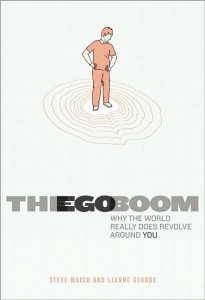
  • The Ego Boom

    „Purely You.” „Have it Your Way.” „Define Yourself.”

    If advertising is any indication, there has never been a better time to be You. From customized computers and TV on-demand to dolls designed in your image, never before have you had so many tools at your disposal to express your unique personality. Everywhere you turn, marketers trumpet: Yoy’re special! You deserve the best! Nothing less!

    This book is about You. The Royal You. But also the particular you, with your individual thoughts and needs, your unique likes and dislikes, your preffered Starbucks blend, your signature BK burger, your personal ringtone, your personal ringtone, your political blog, your custom Adidas, your Facebook friends, tour deisgner condo, your mix’n match brand of spirituality, and your kid’s American Girl doppelganger. More specifically, it is about how all of these things are symptoms of something much bigger: a force that is reshaping our economies, our communities, our workplaces, and the way we relate to the world around us. This force is called The Ego Boom.

    In  this provocative, witty, and engaging new book, awark-winning journalists Steve Maich and Lianne George trace the rise of the ego-centric economy, from its roots in early American individualism, through the „find your bliss” ethos of the sixties and the self-esteem crusade of the eighteies to the modern consumer tsunami called „mass customization”, only to discover that this ever-intensifying mindset affects not only what we buy, but also how we live, love, invest, vote, and pray.

    Incorporating the insights of dozens of thinkers, activists, and entrepreneurs, Maich and George take readers on colorful journey inside Dell’s customized-computer factory, the urban condominium boom, and the world of „personal democracy”. They explore why, in the age of unlimited personal choice, the mainstream blockbuster movie is bigger than ever; what was really behind the success of the best-selling, Oprah-endorsed book, The Secret; and why the vocabulary of the Ego Boom is being adopted by everyone from politicians to professors to preachers.

    Every year, we spend billions of dollars on products and services with an aim to expressing ourselves on ever more insignificant scales. As this fascinating, thought-provoking book explores, The Ego Boom promises there is nothing more vital than the power to choose, and to express oneself through what we buy and sell. But at what point does self-regard become seld-defeating? (The Ego Boom: Why the World Really Does Revolve Around You by Steve Maich  and Lianne George, Key Porter Books, 2009)

    The seductive promise of self-actualization in our consumer society is pure illusion! But to discover that it takes a lot!

    The seductive promises of our egocentric culture sound like:

    “You will not surely die,” the serpent said to the woman.“For God knows that when you eat of it your eyes will be opened, and you will be like God, knowing good and evil.”
    When the woman saw that the fruit of the tree was good for food and pleasing to the eye, and also desirable for gaining wisdom, she took some and ate it. She also gave some to her husband, who was with her, and he ate it. Then the eyes of both of them were opened, and they realized they were naked; so they sewed fig leaves together and made coverings for themselves. (Genesis 3:4-7, NIV).
    Considering the epidemic narcissism of our culture, who will listen the Savior’s words?
    I tell you the truth, unless a kernel of wheat falls to the ground and dies,it remains only a single seed. But if it dies, it produces many seeds. The man who loves his life will lose it, while the man who hates his life in this world will keep it for eternal life. Whoever serves me must follow me; and where I am, my servant also will be. My Father will honor the one who serves me. (John 12:24-26, NIV)
  • Yesterday’s mistakes

    Don’t need another resolution to feel
    As though I’m going somewhere, somewhere

    You said you needed me
    Or at least that’s what I thought
    At times the memories
    Seem to be knocking at my door
    I’ve seen the film a million times
    Feels like I wrote the storyline
    I refuse to replay
    The mistakes that we made yesterday

    I like to think I’m stronger now
    Victim of common sense
    The truth is that I know I still
    Confuse the past with the present tense
    Condensing what we had
    To a single frame
    That sticks in my mind
    As I try to move on
    The same image comes back every time

    They were yesterdays mistakes
    And they were yesterdays mistakes
    Yesterday’s mistakes
    Somewhere

    Forgive my selfishness
    I’d be grateful if you can
    Forget my ingratitude
    You think I’m twice the girl I am
    They say we should forgive
    But not forget
    What has gone before
    I refuse to replay
    The mistakes that we made yesterday

    And they were yesterdays mistakes
    Yesterday’s mistakes
    They were yesterdays mistakes

    I refuse to replay
    The mistakes that we made yesterday
    I refuse to replay
    The mistakes that we made yesterday